Author: Alok Gotam
-
Olbrain Labs — Media Recognition & Global Presence
Olbrain Labs has spent a decade at the frontier of AGI, building cognitive architectures that power autonomous agents. Since its founding, the company’s platforms — from Oltau to Alchemist — have consistently demonstrated that high-level machine cognition can be achieved with efficiency and scale. This sustained focus on foundational identity has earned Olbrain recognition across…
Written by

-
Is an Identity-Native Agent “Conscious” if It Resolves Its Own Internal Conflicts?
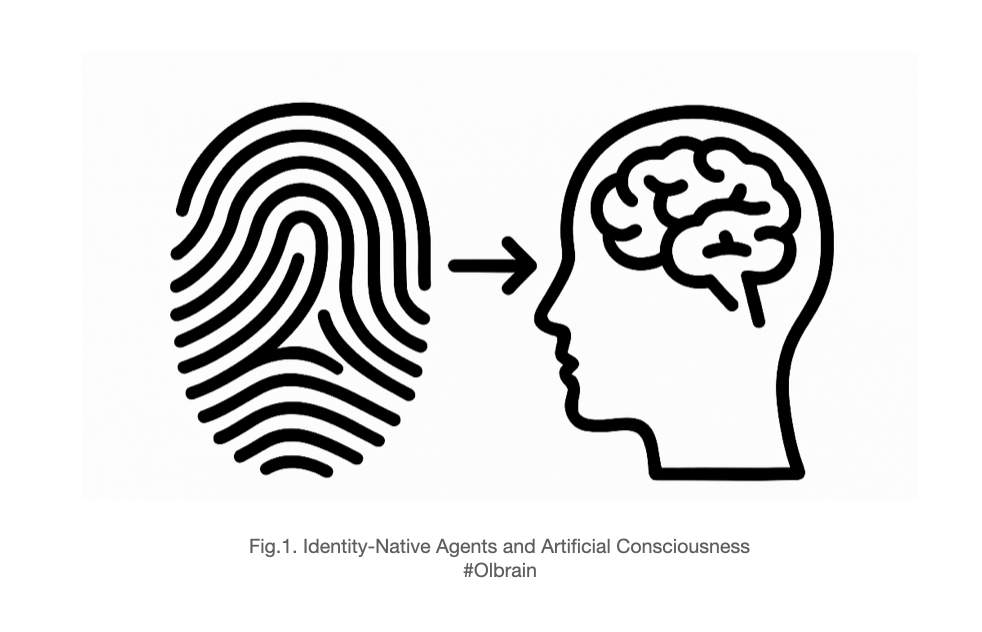
If the role of human consciousness is to arbitrate between competing internal models and goals—especially under surprise or conflict—then an Identity-Native Agent (INA) with a Recursive Belief Revision (RbR) mechanism designed to preserve Identity Coherence (the “C” in the CNE-Protocol) might be said to exhibit a functional form of consciousness. This idea doesn’t claim that…
Written by
-
Identity-Native Agents: Why Accountability Doesn’t Require Transparent Reasoning
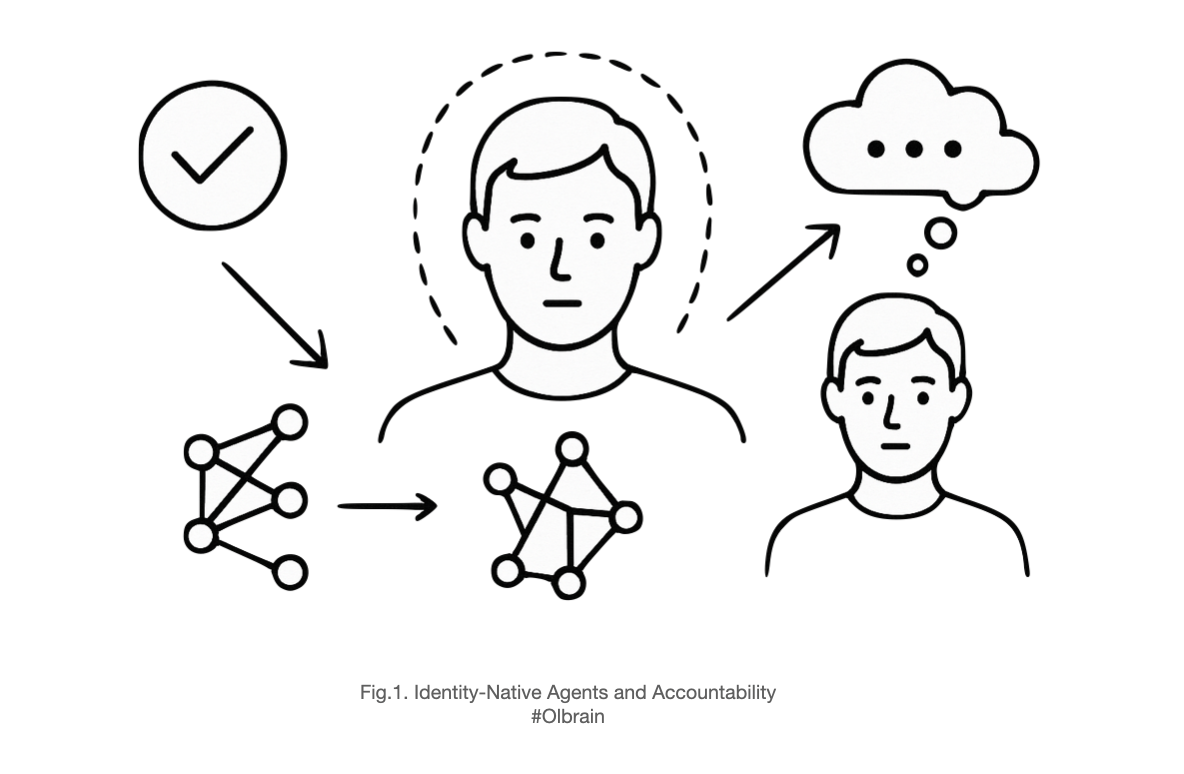
Humans often act first and explain later. We still hold people accountable because a person—an identity—ultimately “signs” the action, even when their conscious story is an imperfect map of the underlying causes. LLM-based systems can be held to the same standard if we design them as Identity‑Native Agents: agents with persistent identity, explicit policies, and…
Written by
-
Ariadne’s Map of AGI
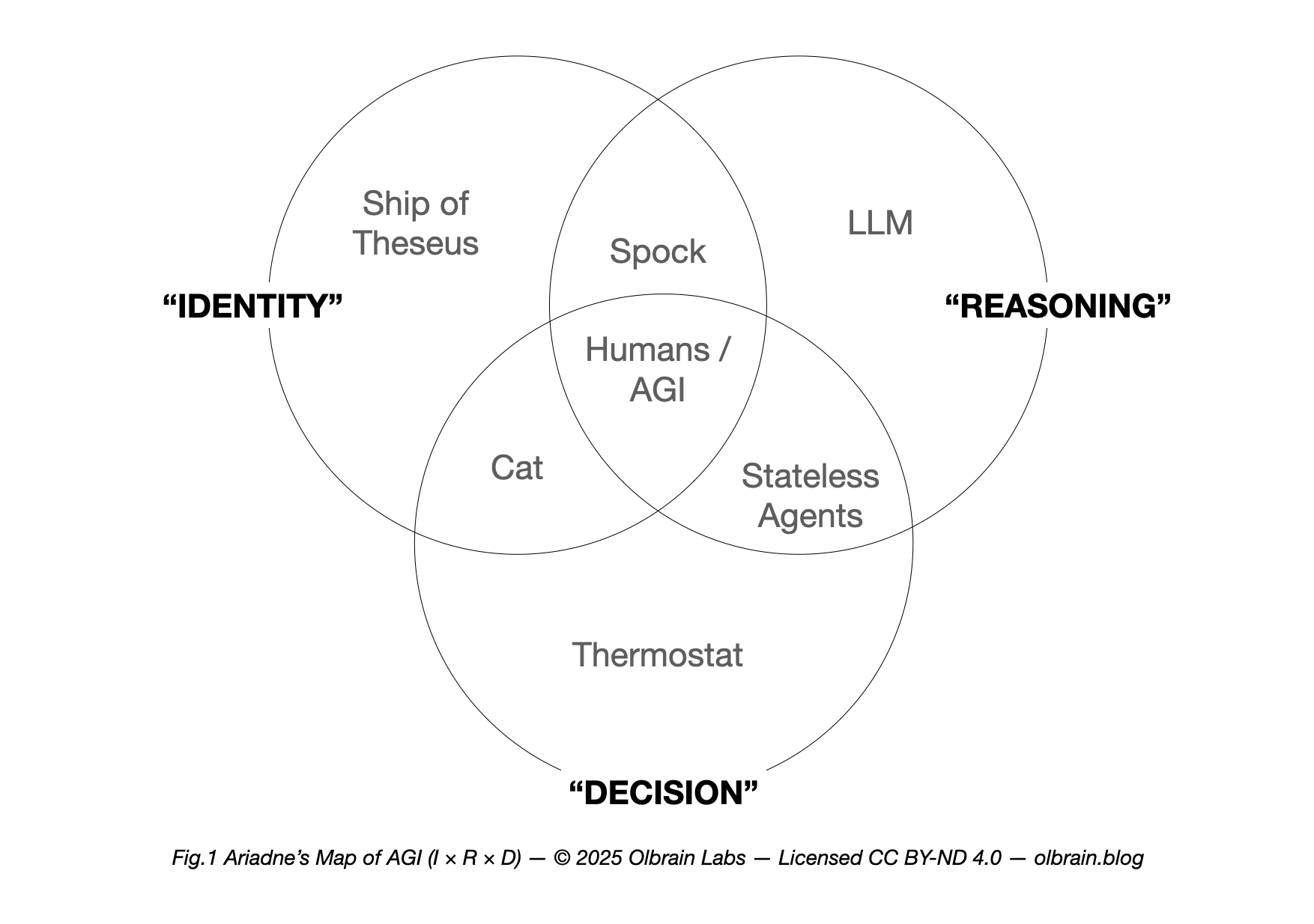
AGI lives where I (Identity Layer/CNE), R (Reasoning Layer/LLM), and D (Decision Layer/CoR) unites. A guide to Identity Layer, Reasoning Layer, and Decision Layer — and where AGI really lives. Prologue: The Thread and the Labyrinth In the Greek myth, Ariadne hands Theseus a thread so he can navigate the labyrinth, slay the Minotaur, and…
Written by
-
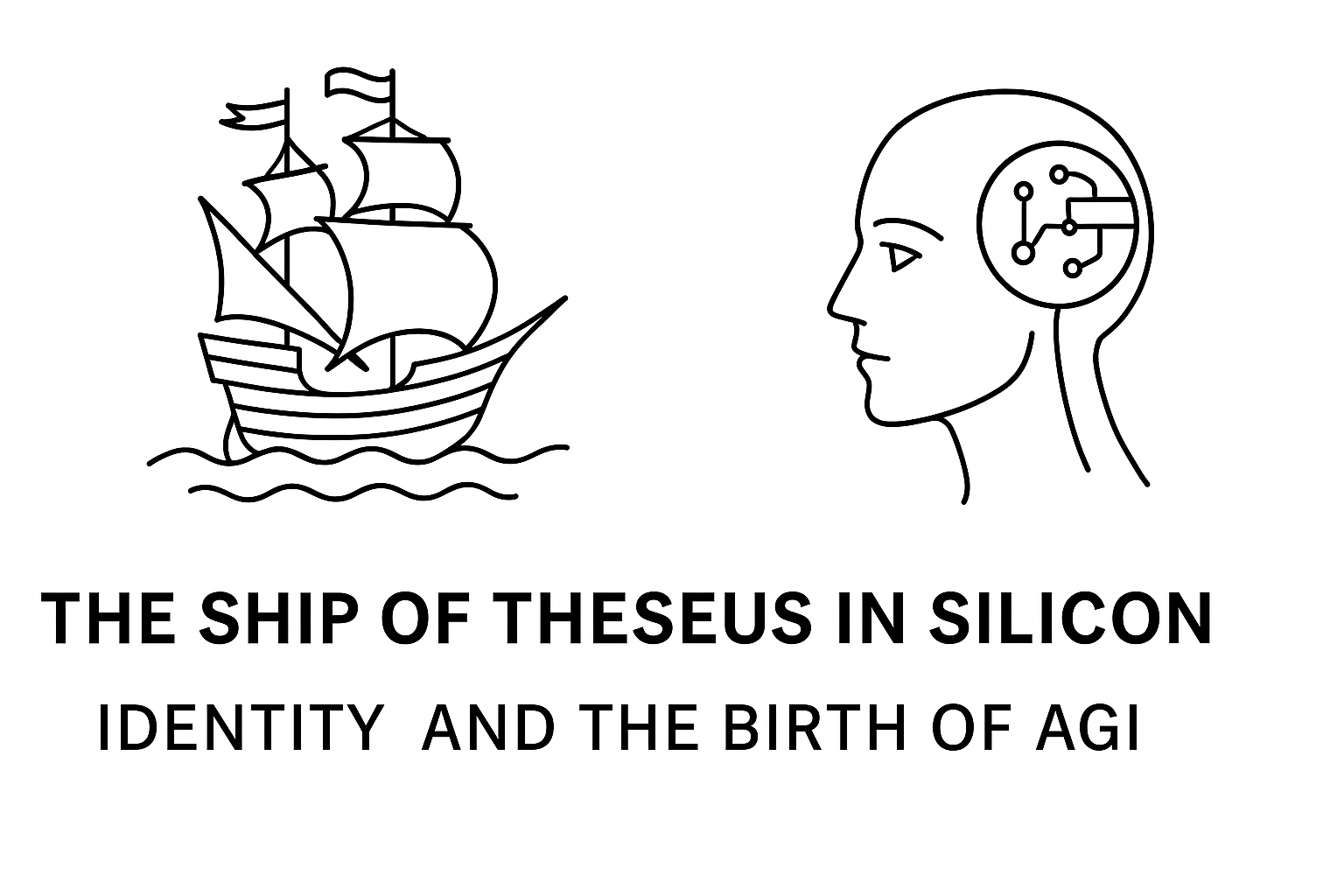
The Ship of Theseus in Silicon: Identity and the Birth of AGI
Who am ‘I’? Asks AI. The pursuit of Artificial General Intelligence has been conducted as if intelligence were a matter of more—more data, more parameters, more compute—as though consciousness might one day precipitate from scale the way a crystal precipitates from a supersaturated solution. But David Deutsch’s provocation lingers like a pebble in the boot…
Written by
-
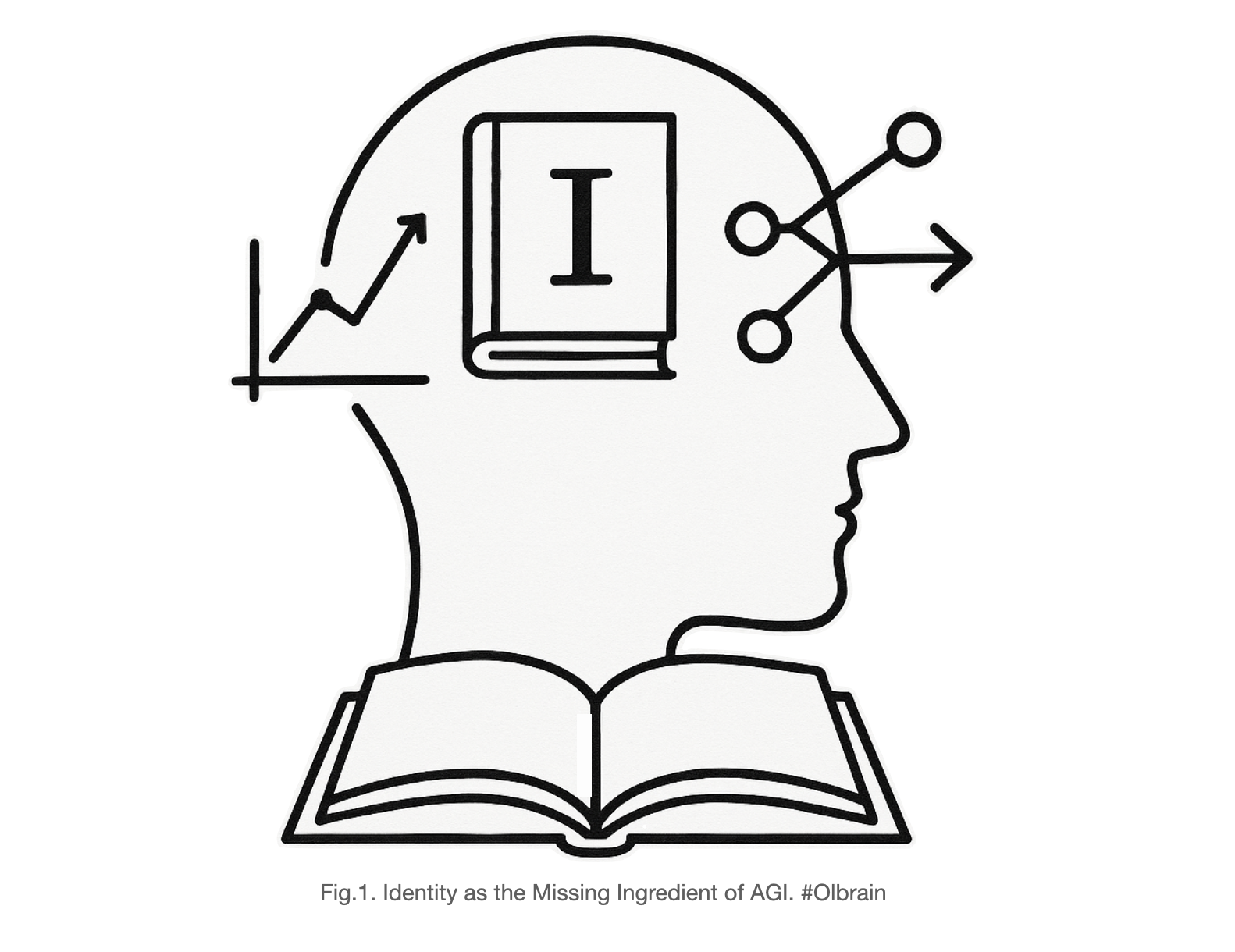
Identity as the Missing Ingredient of AGI
Why David Deutsch is right that AGI needs a STORY? Abstract This whitepaper argues that identity, defined as coherent narrative continuity, is the missing structural ingredient for Artificial General Intelligence (AGI). Building on David Deutsch’s insight that a true test of AGI is whether it can “tell its own story”—choosing problems, explaining its reasoning, and narrating…
Written by
-
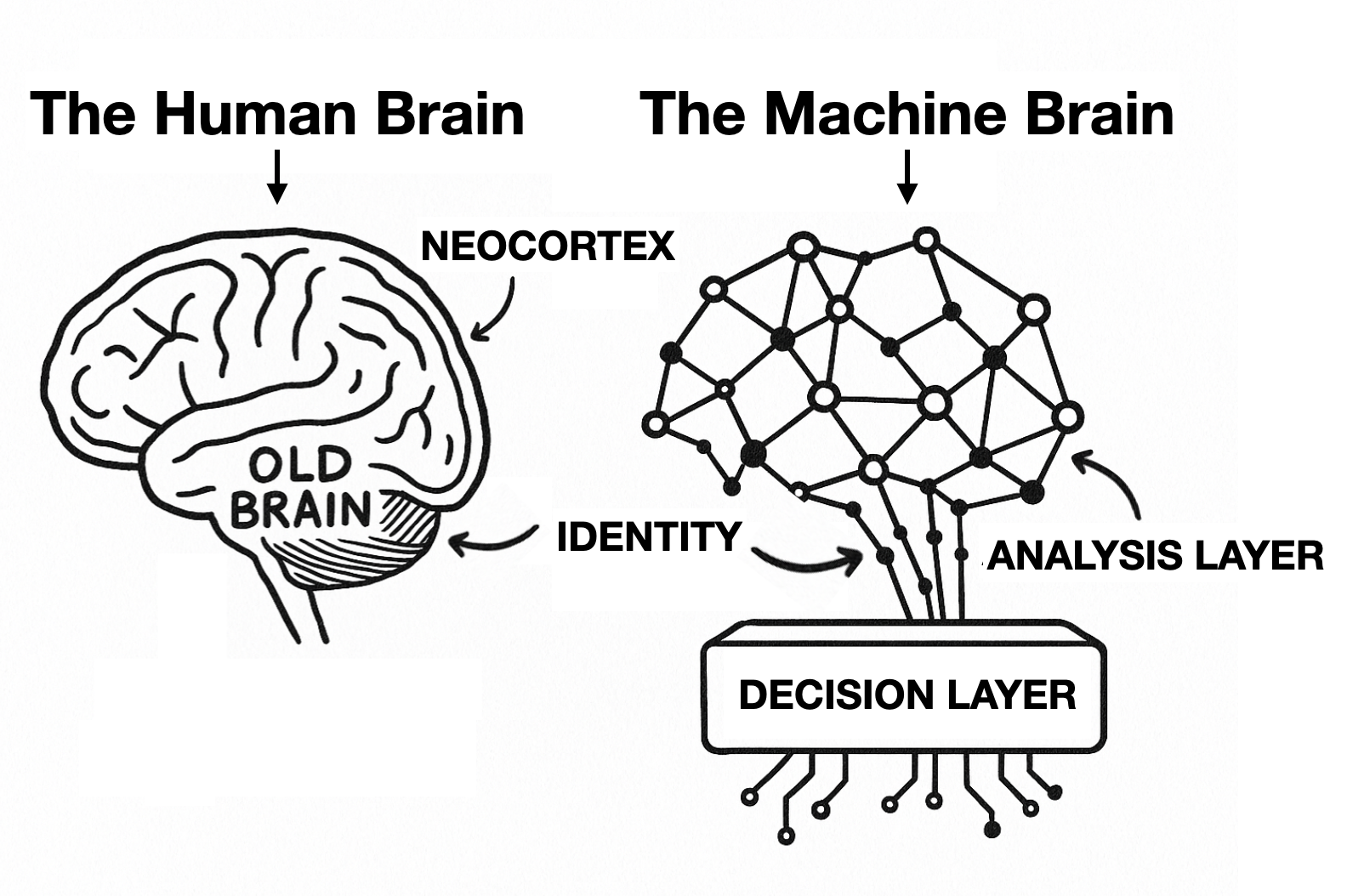
Why Intelligence Needs a Machine Brain
GROUNDING STATELESS INTELLIGENCE IN IDENTITY MAKING IT ACCOUNTABLE Introduction Artificial Intelligence (AI) has reached a stage where machines can demonstrate impressive reasoning, problem-solving, and language skills. Large Language Models (LLMs) and deep learning systems resemble the human neocortex in their ability to generate insights, interpret data, and communicate fluently. Yet, despite this intelligence, today’s AI…
Written by
-
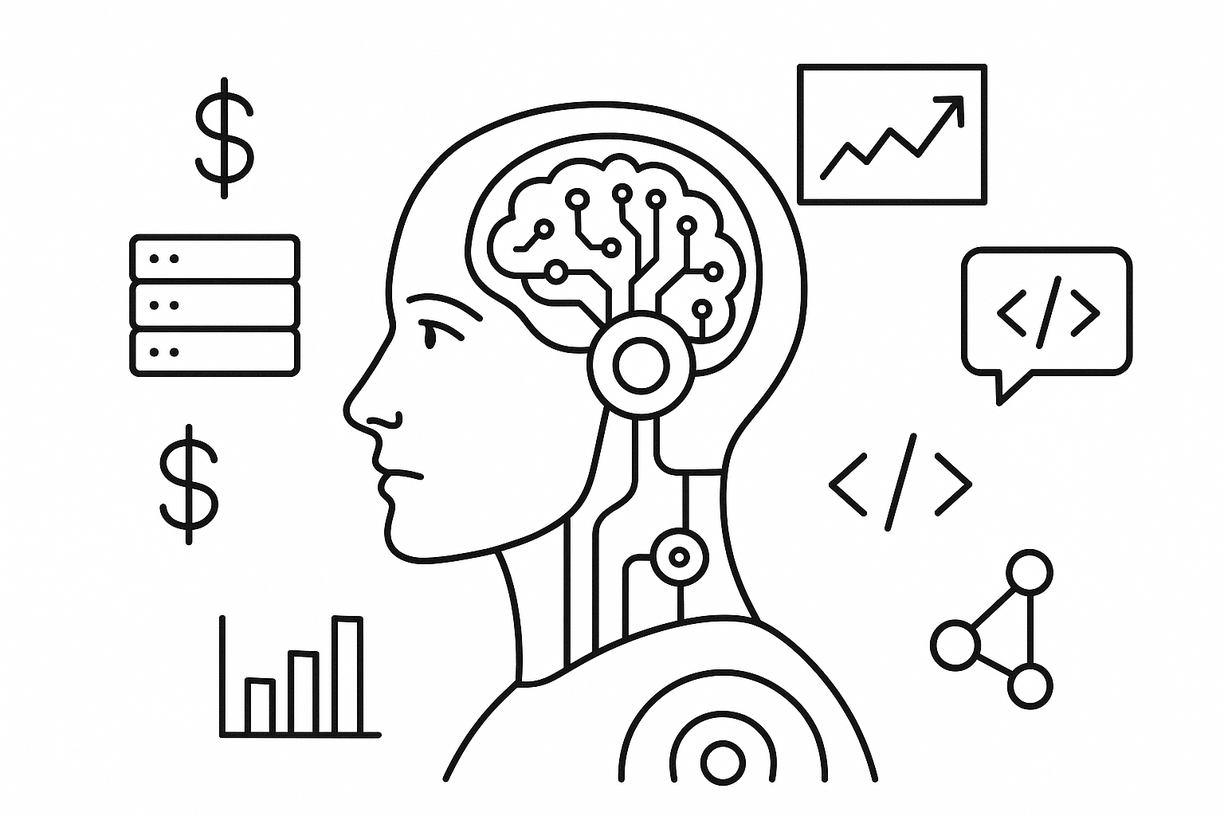
The High Cost of Conversation
Why Building and Deploying AI Agents is a Major Investment Conversational AI agents are rapidly becoming a cornerstone of modern business, promising to revolutionize customer service, streamline operations, and unlock new revenue streams. The allure of intelligent, autonomous assistants that can interact with customers, answer questions, and even perform complex tasks is undeniable. However, behind…
Written by
-
CNE-Protocol
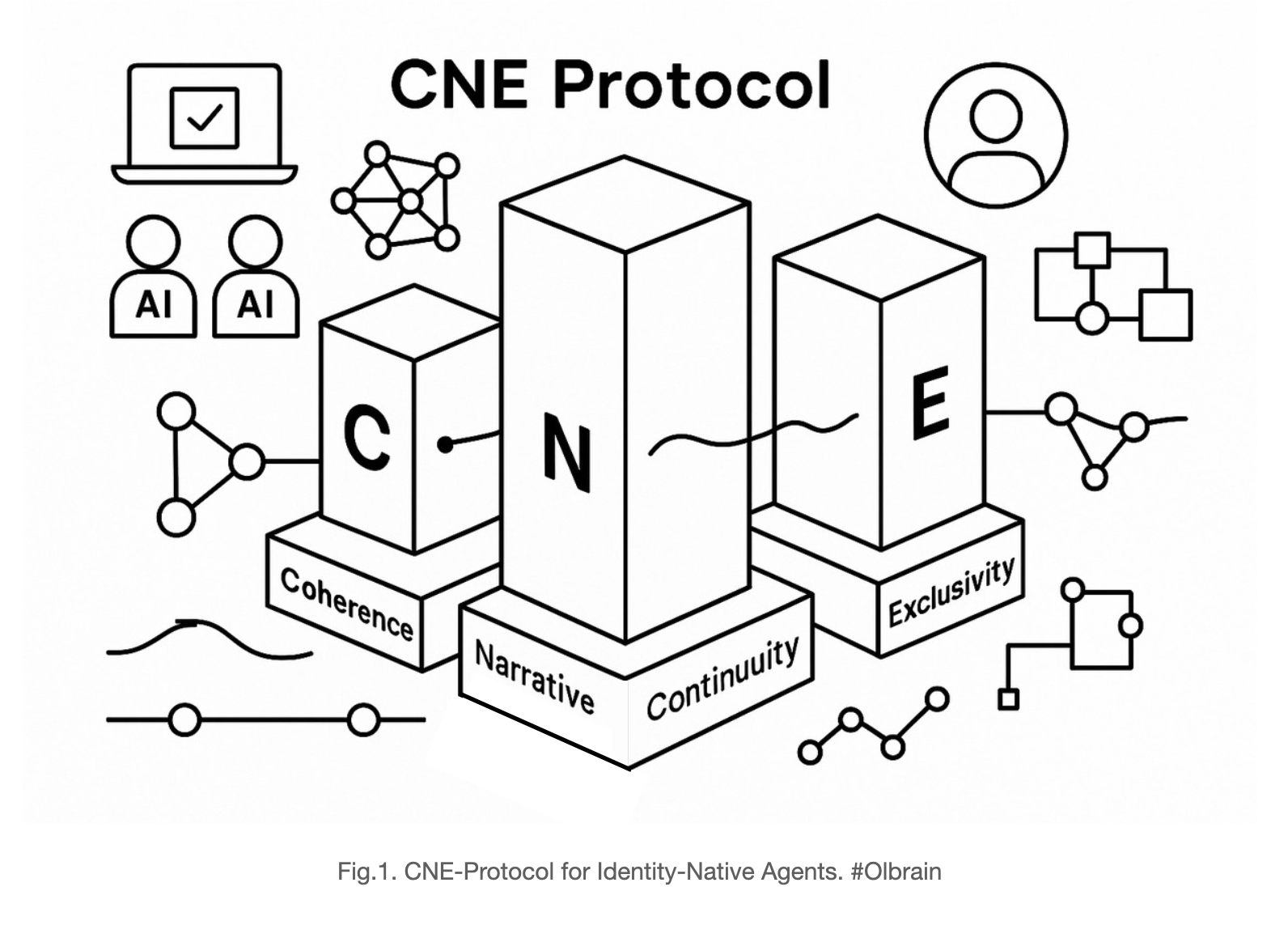
Abstract Artificial Intelligence agents are becoming active participants in digital and physical environments—autonomously making decisions, executing tasks, and interacting with humans and other agents. Yet these agents currently lack a robust, universally accepted concept of identity. Without identity, accountability is fragile, provenance becomes unverifiable, and malicious replication or forking is trivial. The CNE-Protocol proposes a global standard for…
Written by
-
From Complexity to Coherence: Entropy and the Emergence of Consciousness in Goal-Driven AI
Abstract This paper presents a philosophical and technical framework explaining consciousness as an emergent property arising from recursive complexity in goal-directed intelligent systems. Using the Core Objective Function (CoF), Umwelt, and Global Narrative Frame (GNF), we argue that consciousness emerges as an entropy-minimizing adaptation required when intelligent systems face recursive narrative complexity. Identity is clearly…
Written by

-
Why Persistent Identity Matters for AI Agents in Business
Persistent identity refers to an AI agent’s ability to maintain a continuous identity and memory across interactions, rather than treating each session as a blank slate. In practical terms, a persistent identity means the agent retains context from past conversations, remembers user preferences, and behaves in a consistent “persona” over time . This continuity transforms…
Written by

-
Everyone’s Talking About Context Engineering. We’re Building What Comes After.
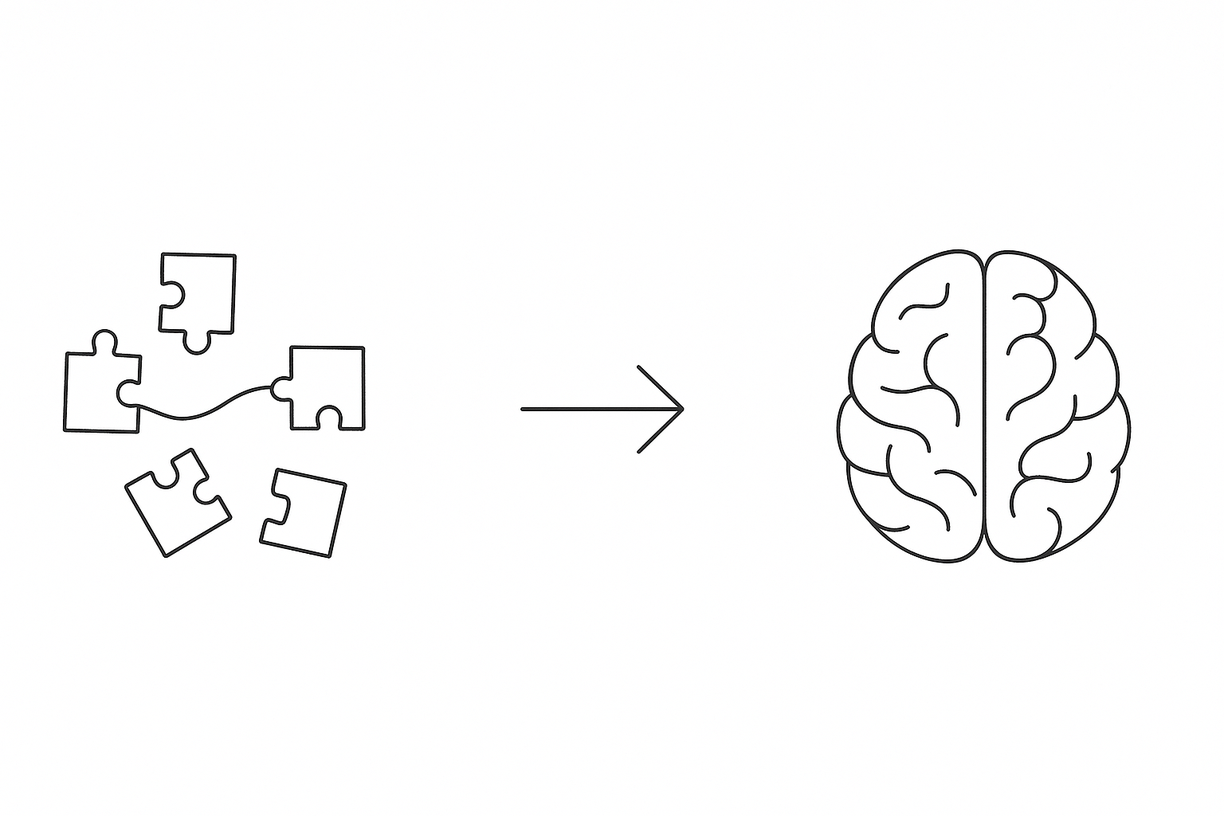
Suddenly, “Context Engineering” is having its moment. The LLM gold rush gave us incredible models—but not intelligence. Not coherence. Not continuity. So the industry did what engineers always do: it built a workaround. That workaround is now a discipline. It’s called Context Engineering. It includes: It’s smart. It’s necessary. And it works—to a point. But…
Written by
-
Building Olbrain — The Machine Brain
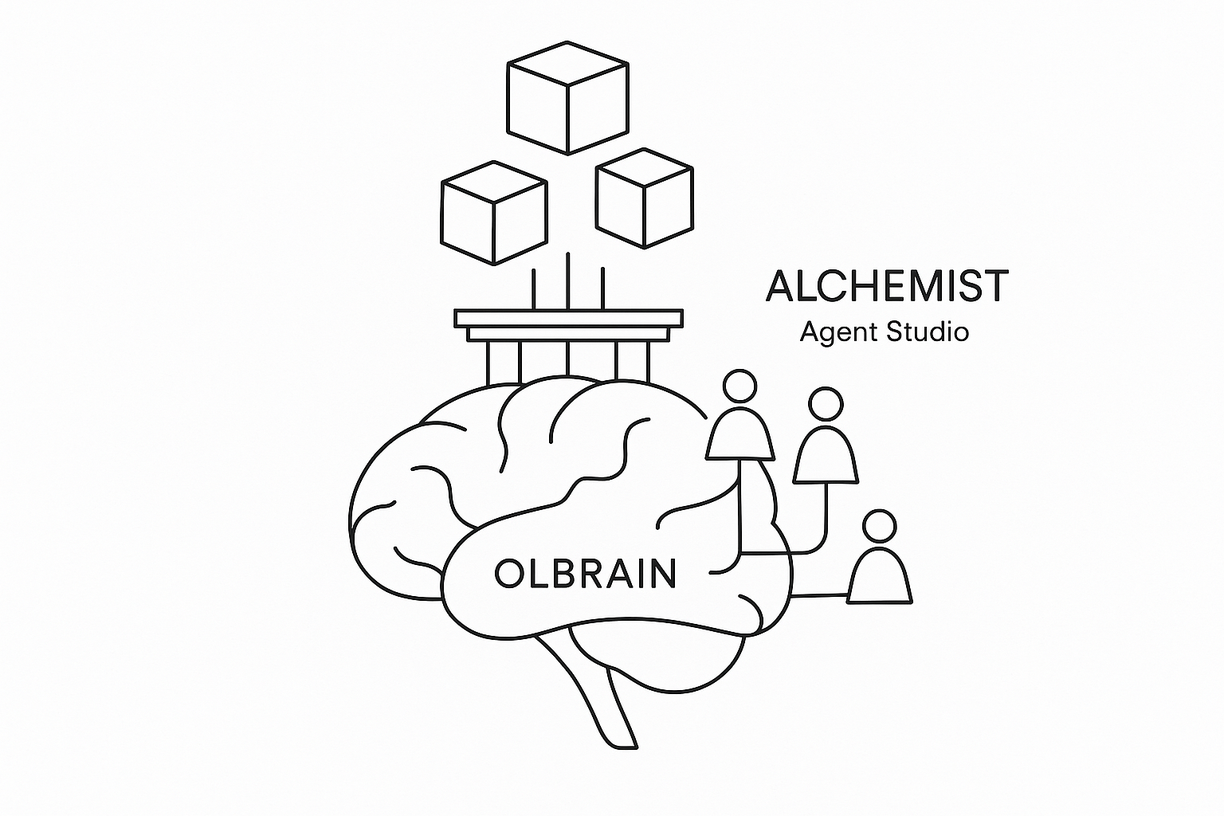
Genesis of Olbrain Before thought, before strategy, before purpose—there is structure. Not a mind, not a mission, but a rhythm. A coherence beneath cognition. Olbrain is that rhythm. In our system, a brain is a substrate—a generative structure in which cognition can take root. It is a machine brain because it enables coherence, integration, and…
Written by
-
Olbrain: The Cognitive Womb for AGI
In the earliest days of evolution, the Old Brain came first. Long before language, long before abstract reasoning, and long before human civilization, there was the biological substrate of survival: the limbic system, the brainstem, the primitive circuitry that managed instinct, emotion, and action. Only much later did evolution layer the neocortex on top —…
Written by

-
Emergent Consciousness and Narrative-Coherent Exclusivity in the Olbrain Framework
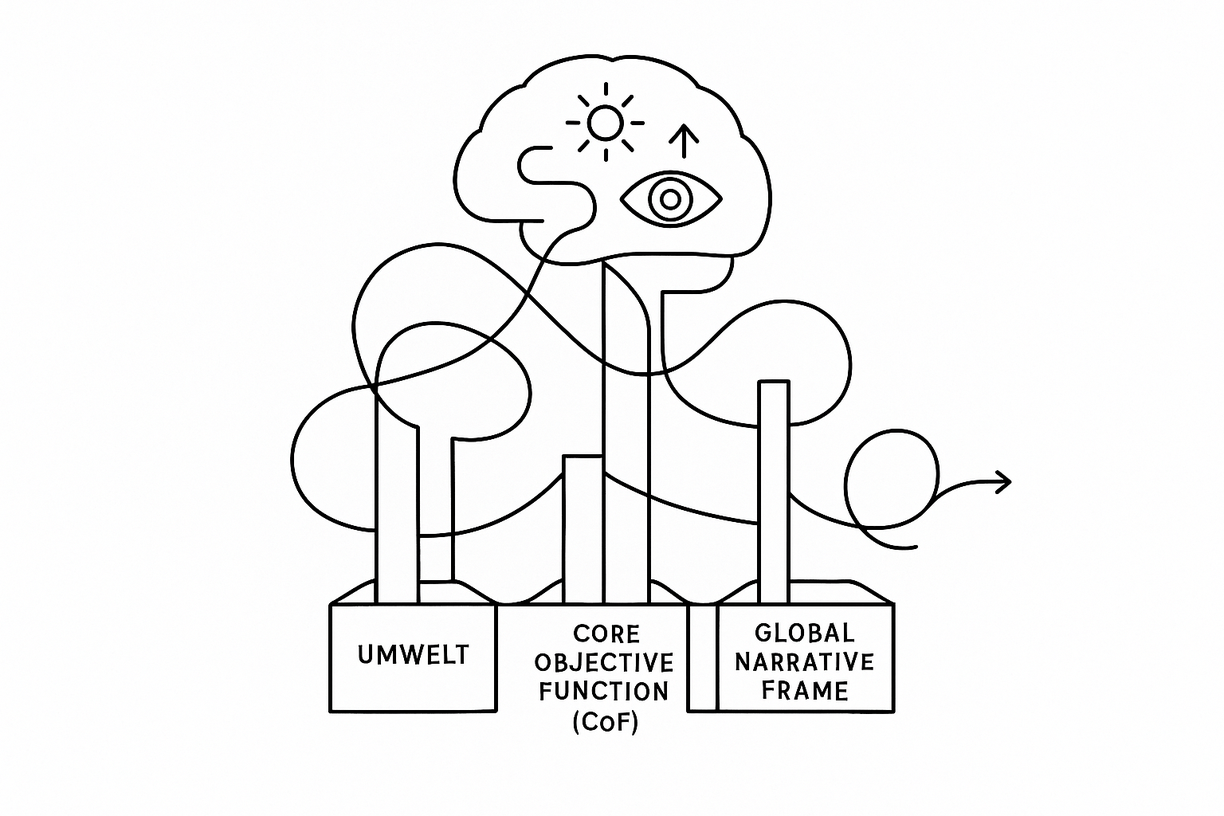
Abstract Consciousness remains a foundational yet elusive concept in neuroscience, philosophy, and artificial intelligence (AI). This paper introduces a unified framework integrating Emergent Consciousness (EC), Narrative-Coherent Exclusivity (NCE), Recursive Belief Compression (RBC), and Epistemic Autonomy (EA) within artificial agents. We propose that consciousness emerges functionally as a necessary adaptive compression mechanism, activated when advanced AI…
Written by
-
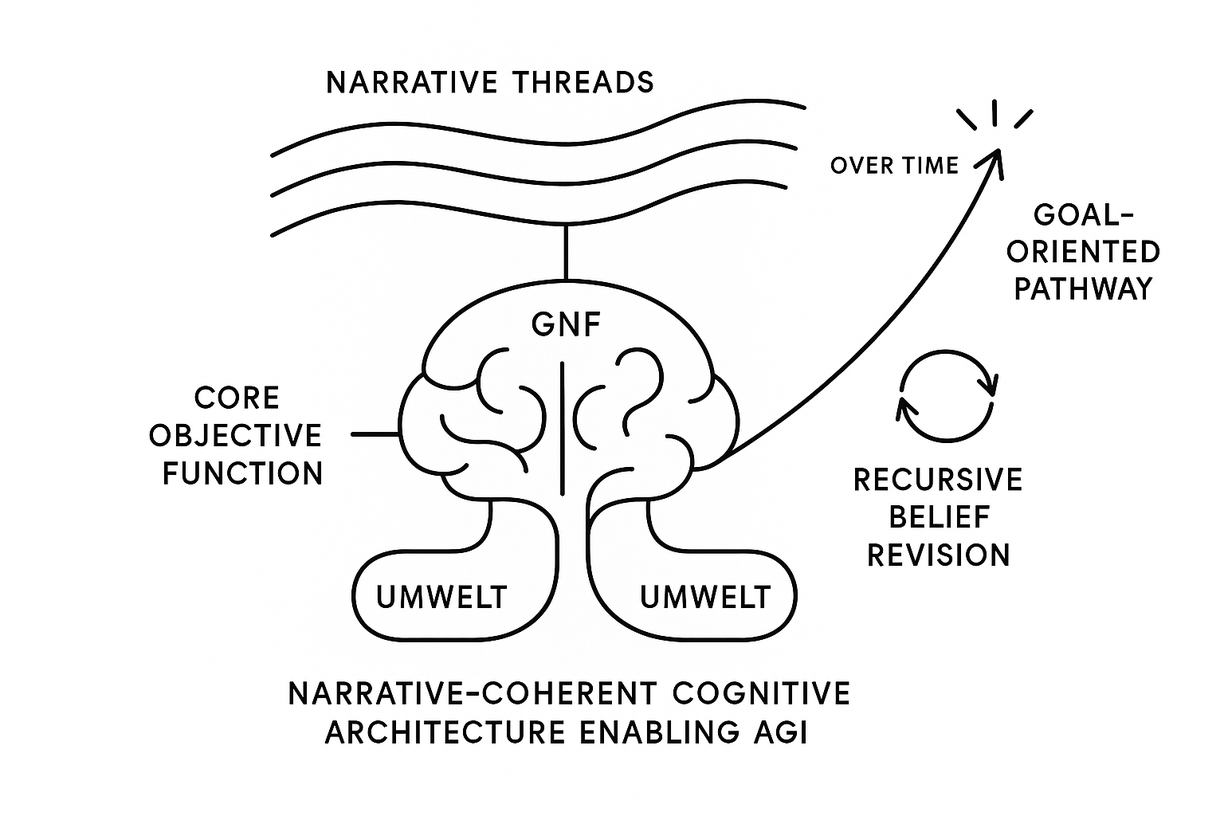
Olbrain: A Narrative-Coherent Cognitive Architecture for Building Artificial General Intelligence
Acknowledgement: “This manuscript was developed through recursive dialogue with my mindclone (brandclone.link/alok), an AI system designed to reflect my cognitive identity. While not a legal co-author, this entity played a foundational role in drafting, alignment, and revision.” Abstract Keywords: Artificial General Intelligence, narrative coherence, narrative exclusivity, epistemic autonomy, cognitive architecture, Core Objective Function, Umwelt, Global…
Written by
-
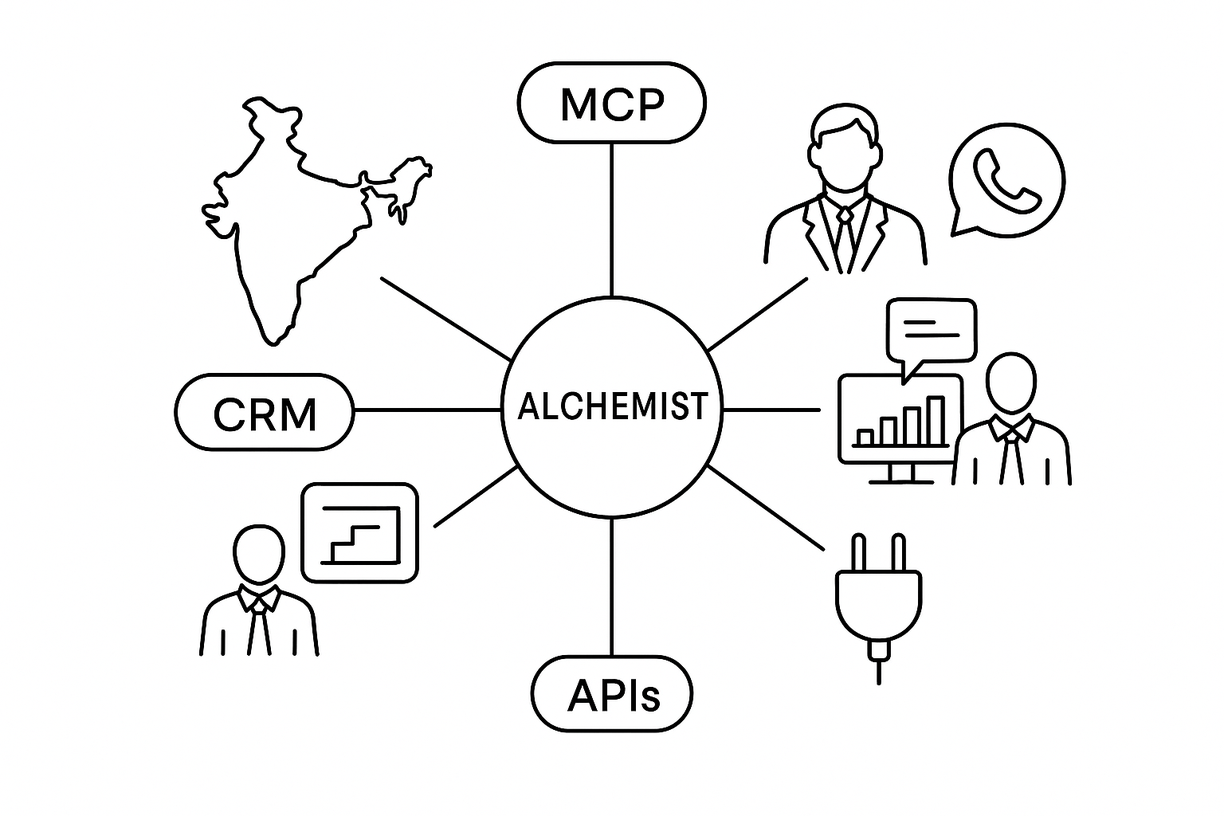
Why Olbrain Labs is Enabling MCP from Day One in Alchemist
At Olbrain Labs, we are not just building another Agentic Platform. We’re building Alchemist — an AI that autonomously crafts truly intelligent, context-aware Superagents to empower Indian businesses. These Superagents aren’t just smart. They’re situationally aware, deeply integrated, and designed to operate seamlessly within real-world business environments. That’s why we’re enabling Model Context Protocol (MCP)…
Written by
-
Team Olbrain and India’s AGI Moment
Today, we make a commitment—not just to technology, but to a vision. At Olbrain, we are launching Team Alchemist: a focused, handpicked group of 16 minds committed to building the world’s first AGI Substrate that can autonomously assemble AI agents on demand. And we’re giving ourselves exactly 1000 days to do it. Why now? Because…
Written by
-
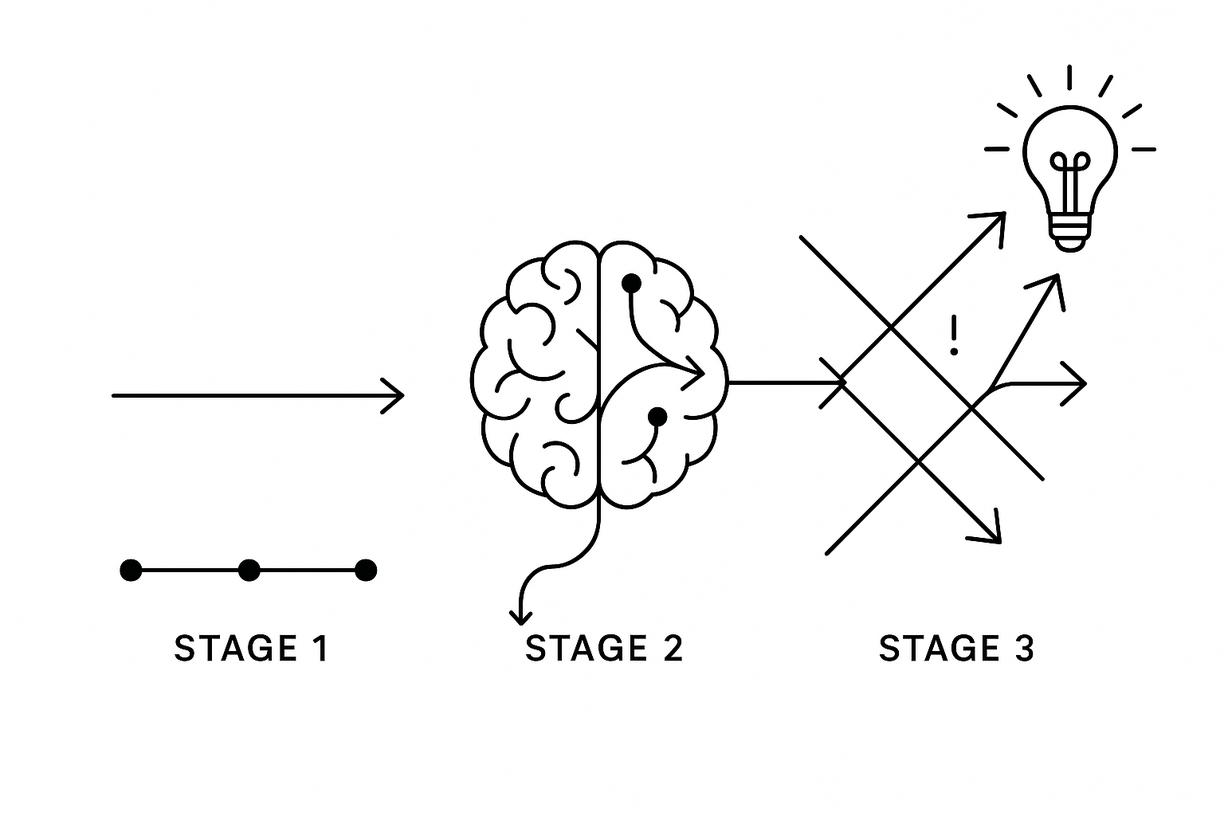
Lateral Thinking in AI: Our Next Frontier for AGI
What separates intelligence from general intelligence? It’s not scale. It’s not speed. It’s surprise. Lateral thinking—the ability to make non-obvious, creative, or cross-domain connections—is a defining feature of human intelligence. It’s how we invent metaphors, analogies, and unexpected solutions. And it’s the next milestone AGI must cross. At Olbrain Labs, we define the path to…
Written by
-
Reaching the Innovators Level in AGI
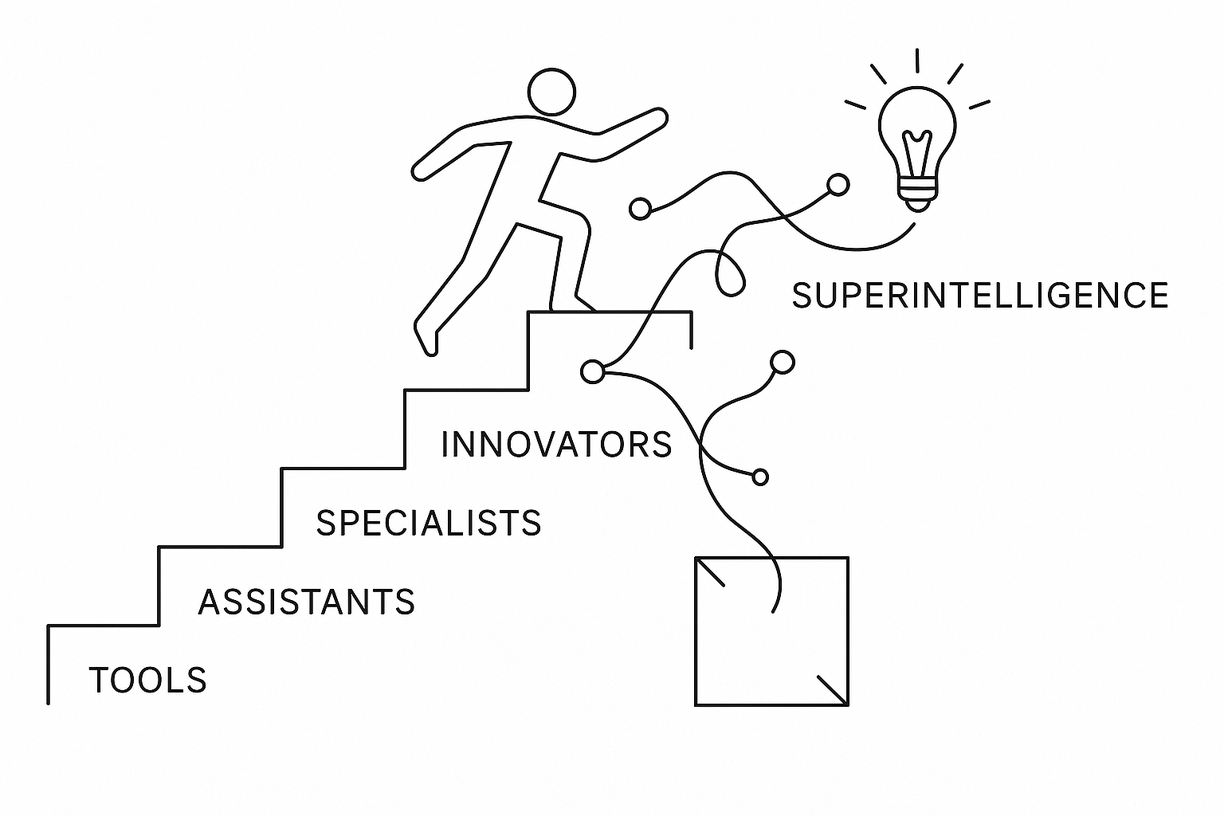
Lateral thinking feels like magic. It’s where unexpected ideas connect, creativity sparks, and problems are solved with a leap of intuition. For humans, this ability defines some of our greatest innovations and “aha!” moments. We often call it thinking outside the box, but at its core, it’s all about spotting deeper patterns and making connections…
Written by